Road Construction and Asphalting
Road construction and asphalting are critical components of modern infrastructure development, playing a vital role in enhancing connectivity, supporting economic growth, and improving transportation safety. With an ever-increasing demand for efficient transportation systems, it is essential to understand the processes, benefits, and advancements within this field.
The Importance of Road Construction
Roads are the arteries of any economy; they facilitate the movement of goods and people. Well-constructed roads contribute to:
1. Economic Development: Reliable road networks enable businesses to transport products efficiently, which can lead to reduced costs and increased market reach.
2. Accessibility: Improved roads enhance access to essential services such as education, healthcare, and employment opportunities.
3. Safety: Quality road construction reduces accidents by providing smoother surfaces with better visibility while incorporating safety features like signage and barriers.
Key Phases in Road Construction
The process of road construction involves several key phases:
- Planning & Design: This initial phase includes feasibility studies that assess traffic patterns, environmental impacts, land acquisition needs, budget considerations—and ultimately leads towards designing optimal routes that meet regulatory standards.
- Clearing & Excavation: Before laying down any materials—land must be cleared vegetation debris removed!. Excavators prepare ground by leveling grading ensuring proper drainage systems are established prevent water accumulation leading potential structural damage down line!.
- Subgrade Preparation: The subgrade serves as a foundation for the roadway; therefore it requires thorough compaction stabilization techniques utilized ensure stability longevity over time!
- Base Layer Installation: A suitable base layer is crucial for load distribution on top layers—commonly composed crushed stone or gravel compacted tightly together providing strong support asphalt surfaces above!.
- Asphalting Process
- Hot Mix Asphalt (HMA) Production: High-quality aggregates combined with liquid asphalt cement heated transported job site where applied evenly using advanced paving machines achieves smooth durable finish meeting specified standards!
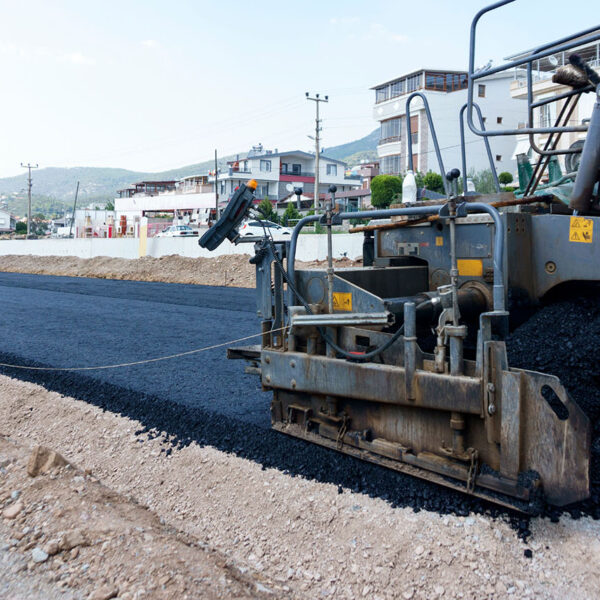
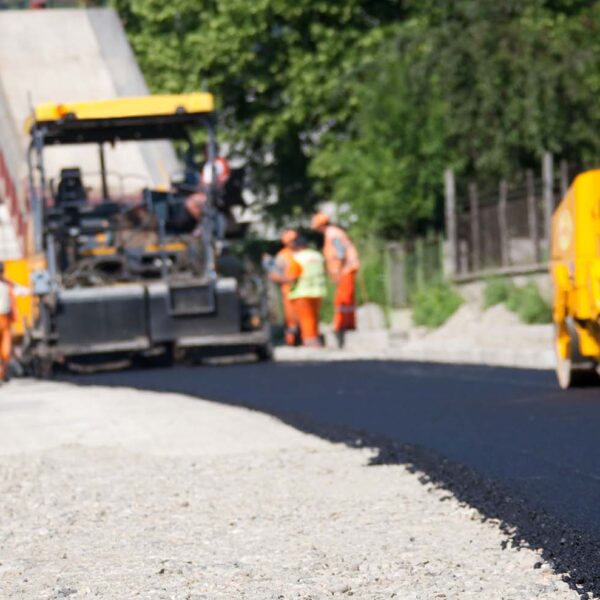
- Paving : Once delivered onto site our specialized pavers lay hot-mix asphalt out evenly according defined specifications ensuring optimal thickness compaction levels achieved across entire stretch being constructed!
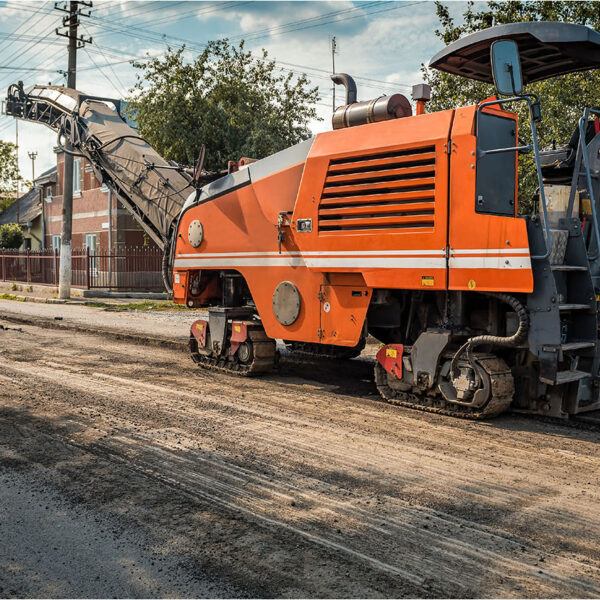
- Compaction : This final step involves rolling machinery used post-paving achieve desired density surface texture maximizing durability performance under various weather conditions traffic loads encountered daily!
Benefits of Asphalting
Asphalting offers numerous advantages compared to other surfacing methods such concrete:
- Cost-Effectiveness: Asphalt is generally cheaper than concrete both in terms material costs labor associated installation maintenance over lifespan!
Quick Installation : Thanks its fast curing properties allows quicker completion projects minimizing disruptions surrounding areas facilitating prompt reopening traffic flow once work completed successfully!
Durability & Flexibility : Withstanding extreme temperature variations heavy loads without cracking or breaking down easily—making it ideal choice especially regions prone freeze-thaw cycles regular wear-and-tear from vehicles traversing daily basis!
Eco-Friendliness : Modern technologies allow recycling old pavements into new mixtures thereby reducing landfill waste preserving natural resources while maintaining overall sustainability practices industry-wide!
Gallery
Our Valuable Works With the Clients
Our team is dedicated to delivering exceptional value through close collaboration with our clients. We prioritize understanding their needs and providing tailored solutions for success.
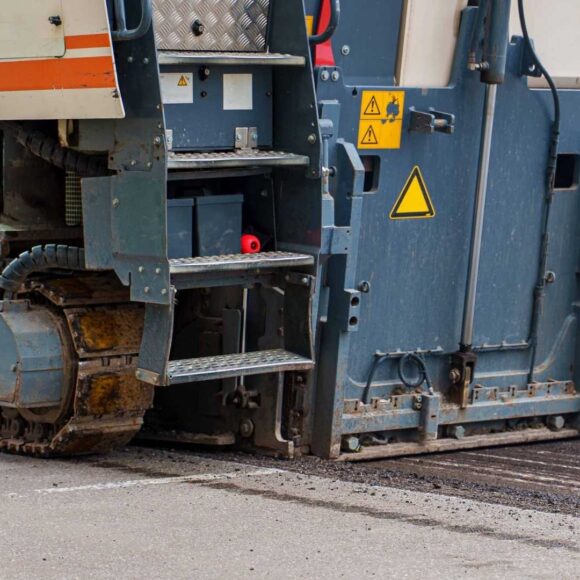
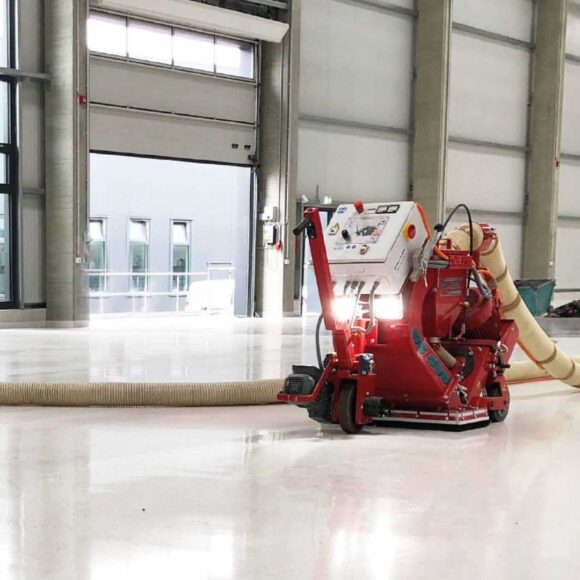
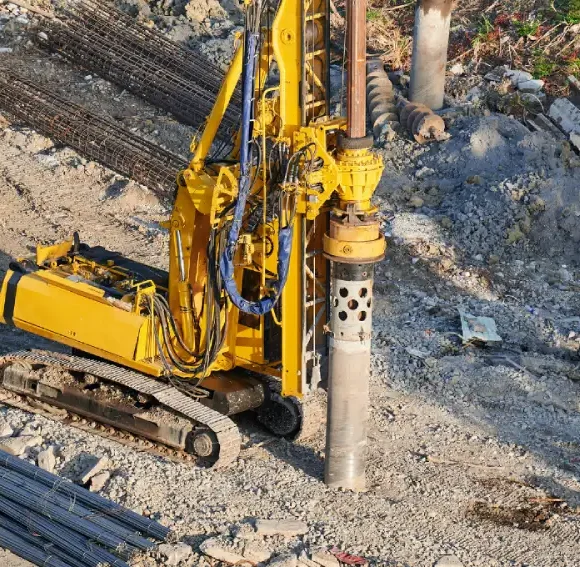
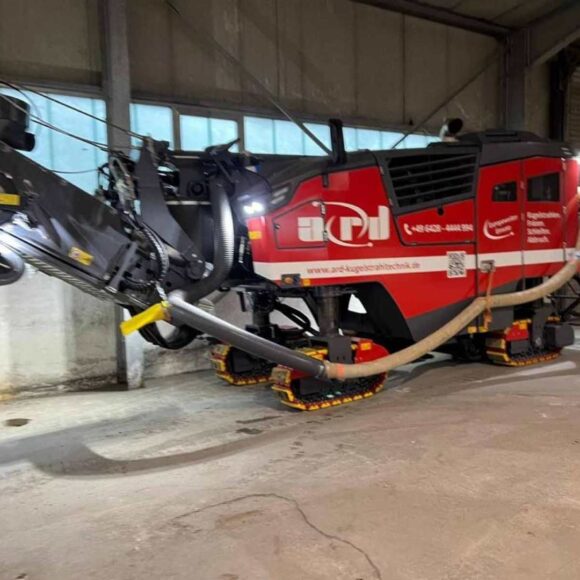
Our Machine Park
Shot Blasting
Concrete Milling
Terrazzo Grinding and Polishing
Piling and Foundation Work
Horizontal Tunnel Excavation
Frequently Asked Questions