Shot Blasting
Shot blasting is a surface preparation process that involves propelling abrasive materials at high speeds against a surface. The primary goal of shot blasting is to clean, roughen, or finish surfaces for various applications, particularly in industries such as manufacturing, construction, and metalworking. By using mechanical means as opposed to chemical methods, shot blasting provides an efficient and effective solution for surface treatment.
How Does Shot Blasting Work?
The process of shot blasting typically involves the following steps:
Abrasive Material Selection: Various types of abrasives can be used depending on the application—common choices include steel shots, grit (like aluminum oxide), glass beads, and plastic media.
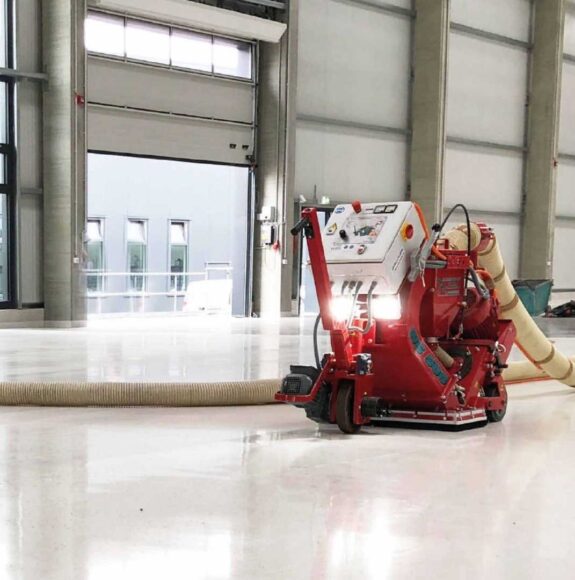
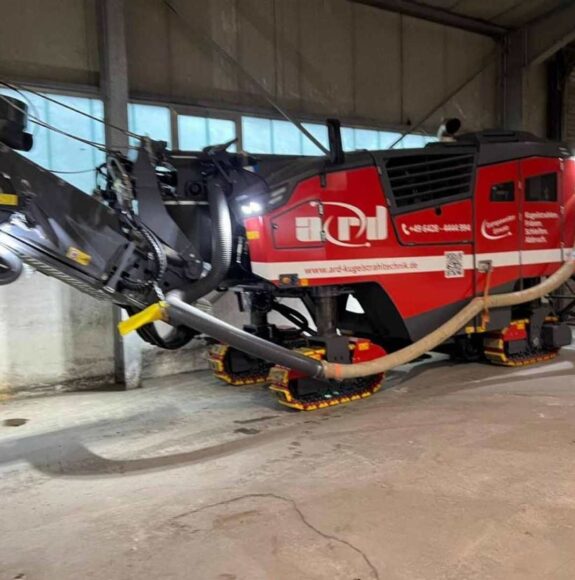
Equipment Setup: Specialized equipment known as shot blasters (which can be either automated or manual) directs the abrasive material toward the workpiece. The equipment includes components such as a blast wheel or nozzle that accelerates the media before it strikes the surface.
Surface Treatment: As the abrasive particles impact with high velocity against the surface of the material being treated (such as metal or concrete), they remove contaminants like rust, paint, scale, oil residues; they also create a roughened texture which enhances adhesion for subsequent coatings.
Collection and Recycling: Most modern shot blasting systems are designed to recover and recycle abrasives after use to minimize waste and reduce operational costs.
Applications of Shot Blasting
Shot blasting finds numerous applications across various industries:
Metal Fabrication: Used for cleaning metals prior to painting or plating processes.
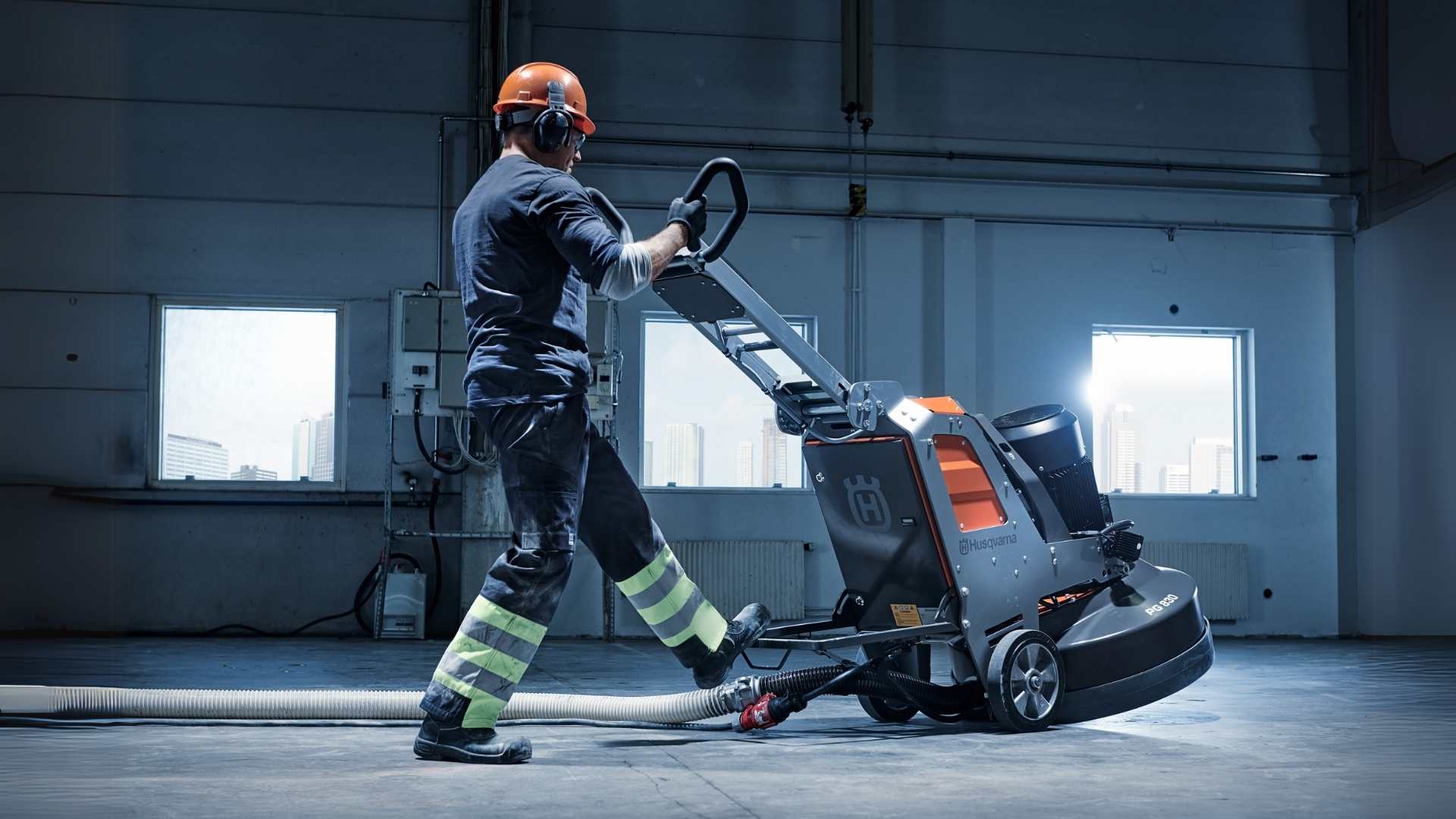
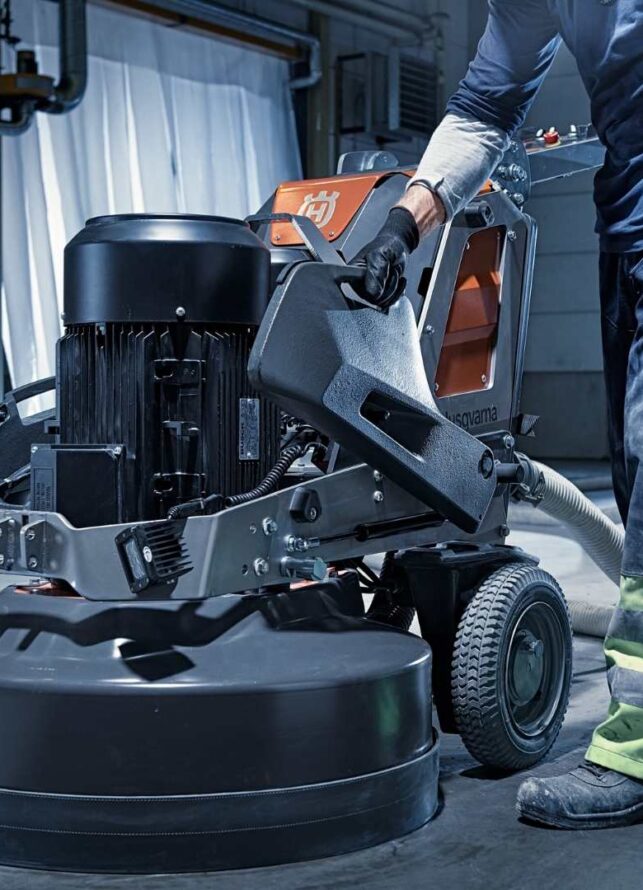
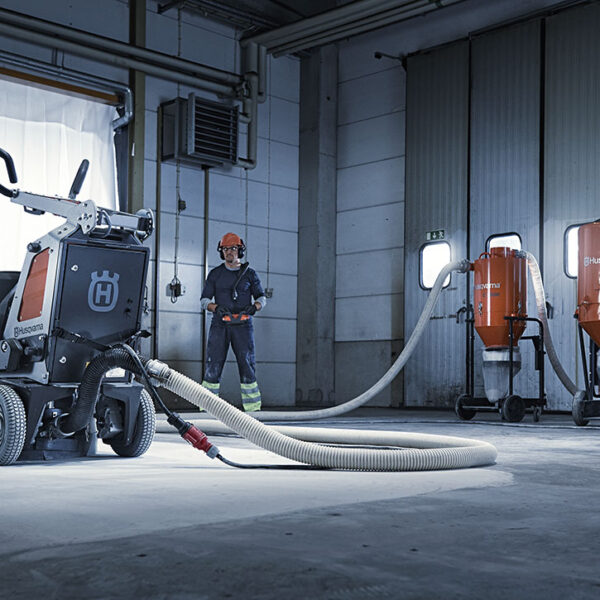
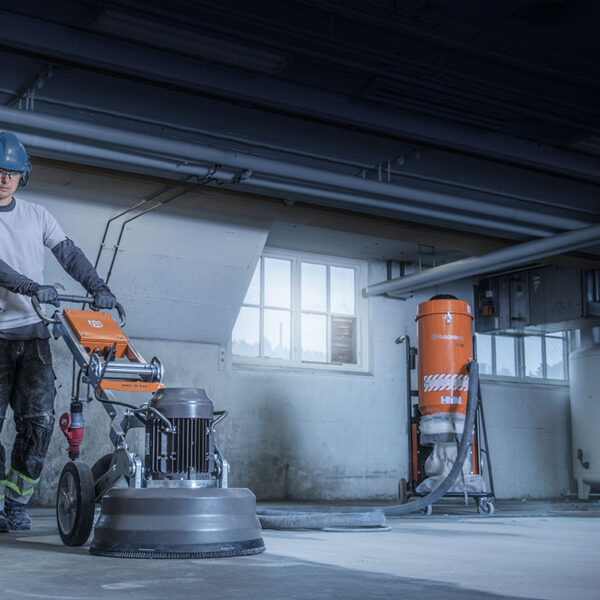
Concrete Preparation: Effective in preparing floors by removing existing coatings or smoothing out surfaces before applying new overlays.
Automotive Industry: Often employed to clean engine parts and other components to ensure proper finishing before assembly.
Aerospace Industry: Utilized for cleaning castings and other critical components that require stringent quality control.
Shipbuilding & Repair: Assists in rust removal from ships’ hulls prior to repainting.
Benefits of Using Shot Blasting
Efficiency & Speed: Compared to chemical methods like acid etching or sanding processes—which may take longer—shot blasting rapidly prepares surfaces while achieving consistent results.
Environmentally Friendly Options Available: Many types of abrasives can be reused multiple times reducing waste generation; also eliminates reliance on harsh chemicals commonly found in other cleaning processes!
Improved Adhesion Properties: Creating a textured finish enhances bonding capability when applying paints/coatings improving longevity performance outcomes dramatically!
Our Valuable Works With the Clients
Our team is dedicated to delivering exceptional value through close collaboration with our clients. We prioritize understanding their needs and providing tailored solutions for success.
Frequently Asked Questions
What is shot blasting?
What materials are typically used in shot blasting?
What surfaces can be treated with shot blasting?
How does shot blasting differ from sandblasting?
What are the primary applications of shot blasting?
Surface cleaning prior to painting or coating.
Removal of rust and scale from metal products.
Preparation of concrete surfaces for overlaying.
Texturing surfaces for improved adhesion.
Is shot blasting safe?
How long does the shot-blasting process take?
Can I use my existing equipment for shot blasting?
What kind of finish can I expect after shot-blasting treatment?
10.Will shooting cause damage my parts/components being treated ?
– If performed by experienced operators following industry standards & guidelines correctly; then damage risk remains minimal however improper technique/speed settings could lead unintended harm like warping/thinning/cross-contamination etc.!
Gallery
Reach Out for Shot Blasting Service Solutions